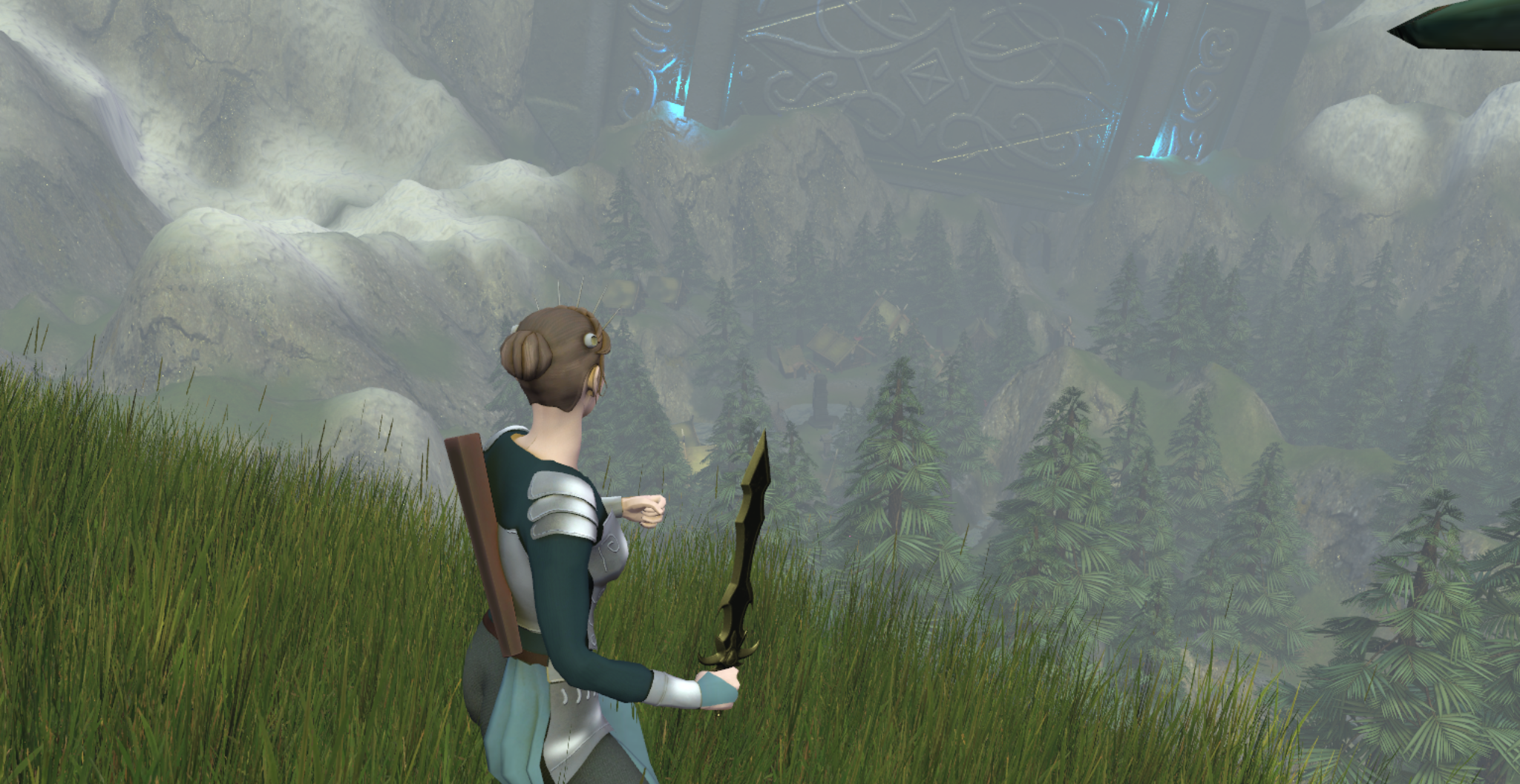
Combat System
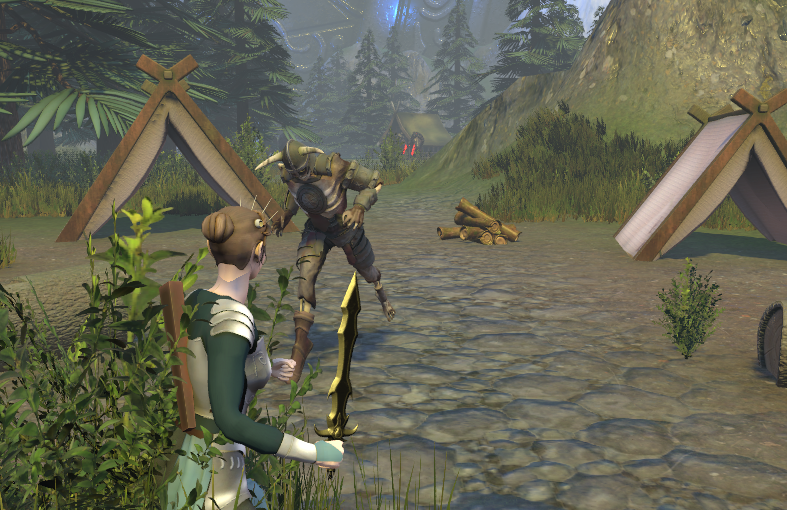
Implemented raycast-based melee combat with randomised damage, attack cooldowns, and movement locking to improve weight and commitment in combat.
Featured Project
A collaborative Unity game in which I contributed to combat, health and UI systems, alongside animation, audio and visual-effects integration.
My role included connecting gameplay systems, investigating input and timing issues, and testing how combat feedback worked in the playable build.
Ascension is a collaborative game project. This case study focuses on the gameplay systems and integration work I personally contributed to, within the wider team effort.
I worked on melee combat, player health and UI feedback, and the connections between input, animation, audio and visual effects. The systems below describe my contributions rather than claiming ownership of the entire game.
My primary contribution focused on gameplay systems, player feedback, and overall polish. I worked heavily on the combat system, player health systems, and UI elements, with a strong emphasis on how the game feels and responds to player input.
A large part of my role involved integrating multiple systems together, including animation, input, audio, and VFX, ensuring they worked reliably as a cohesive experience rather than as isolated features.
Alongside implementation, I spent significant time debugging and refining existing systems, resolving issues related to timing, responsiveness, and interaction between gameplay elements. This helped improve overall stability and ensured the game remained functional as new features were added.
Within the team, I also contributed by supporting integration work, fixing issues that blocked progress, and helping maintain a stable and testable build throughout development.
Implemented raycast-based melee combat with randomised damage, attack cooldowns, and movement locking to improve weight and commitment in combat.
Built a full health system including damage, healing, death handling, and visual feedback through vignette effects and audio cues.
Developed a dynamic health bar system that only appears during combat, improving clarity and reducing unnecessary on-screen clutter.
Integrated animation-driven audio and VFX systems, ensuring hit effects, sounds, and visual feedback were timed correctly with gameplay actions.
Connected gameplay systems across input, animation, audio, and VFX, while identifying and resolving issues related to timing, responsiveness, and system interaction.
Continuously refined gameplay systems to improve feel, presentation, and overall player experience rather than stopping at basic functionality.
A major part of my work on Ascension involved debugging interactions between combat, animation, input, audio, and feedback systems. Rather than treating these as isolated features, I had to make sure they worked together reliably as part of the wider player experience.
This included resolving timing issues, improving combat responsiveness, fixing problems between controller and keyboard input, and refining how different systems triggered effects such as sound, VFX, and UI feedback.
One of the most valuable lessons from this process was learning how to improve a system without damaging what was already working. That meant testing carefully, identifying the real source of issues, and making changes in a controlled way rather than stacking quick fixes.
Throughout Ascension, I placed a strong emphasis on how the game would feel from the player’s perspective rather than stopping once something was simply functional. For me, quality comes from making sure systems feel considered, readable, and satisfying to interact with.
This influenced the way I approached combat feedback, UI visibility, animation timing, and presentation. I wanted features to feel deliberate and well integrated, not like disconnected parts that only worked on a technical level.
That mindset is central to the kind of developer I want to be: someone who cares not only about getting systems working, but about making sure the final experience feels polished and genuinely worth presenting.
Ascension taught me a great deal about how much technical implementation, iteration, and presentation all shape the final player experience. It reinforced that strong work is not just about adding features, but about making sure those features feel reliable, cohesive, and worth putting in front of players.
It also strengthened my approach to development more broadly. I became more aware of the importance of preserving what already works, improving systems methodically, and avoiding rushed changes that create more problems elsewhere.
More than anything, the project reflected the kind of standards I want to carry into future work: caring about player experience, taking presentation seriously, and not being satisfied with something that only works at a basic level.